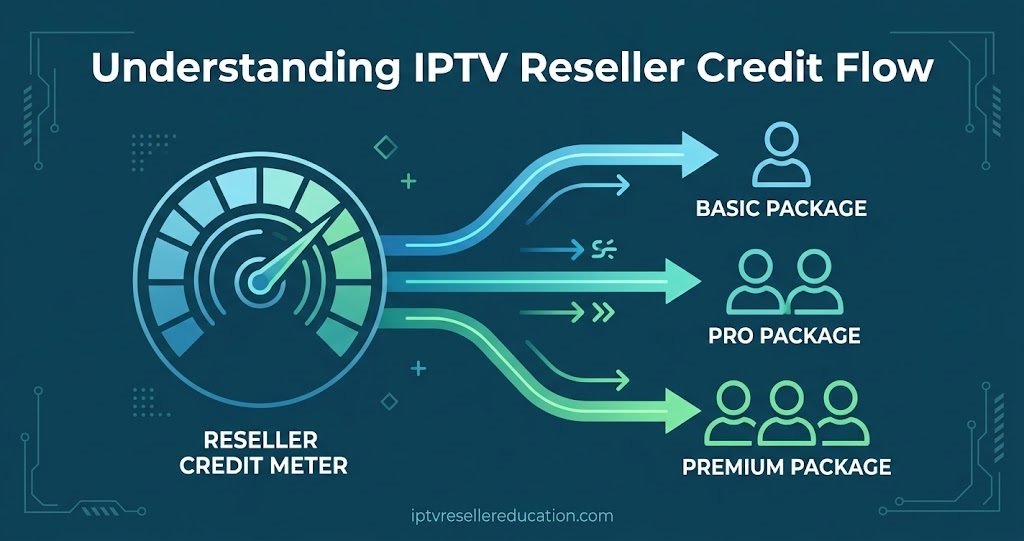
An IPTV Reseller Panel Credit is the unit that lets you open one active customer line for a set period, usually a month, on a reseller dashboard. Buy a batch of credits, spend one whenever you create or renew a line, and the balance drops accordingly. Nothing more mysterious happens behind it, though the way different panels price, expire or bundle those credits can change how much your business actually keeps at the end of a quiet month.
What an IPTV Reseller Panel Credit Actually Buys You
A credit isn’t a subscription, a login, or a piece of content. It’s simply permission to activate one line for a fixed stretch of time. When someone pays you for a month of access, you spend one credit to switch their connection on. Renew them next month and you spend another. That’s the entire mechanic underneath most IPTV reseller software, whatever the branding on the dashboard says.
Where panels differ is in what happens to credits you haven’t used yet. Some suppliers force a batch to expire after a fixed window regardless of whether you’ve sold it on. Others, including Cine IPTV Reseller Panel, leave unused credits sitting on the account indefinitely, so a slow week doesn’t mean wasted stock. That single detail matters more to a reseller’s cash flow than almost any other feature on the panel.
How the Credit System Works Day to Day
In practice, a reseller’s week revolves around three small decisions repeated many times: how long a trial should run, when to renew a paying customer, and when the credit balance needs topping up. None of it requires server knowledge. The panel handles delivery; your job is commercial.
A short trial line typically costs nothing extra beyond the credit spent to activate it, and it exists to let a new customer test picture quality and device fit before committing. Once they pay, you convert the trial into a paid month and the meter starts properly. Longer plans, three months or a year, simply draw down more credits at once rather than introducing a different pricing logic.
Pro tip: Keep a small credit buffer, enough for five or six lines, so an unexpected renewal rush never leaves a paying customer waiting while you top up.
What Changes the Value of Each Credit
Not every credit is worth the same to your margin. Three things usually decide that:
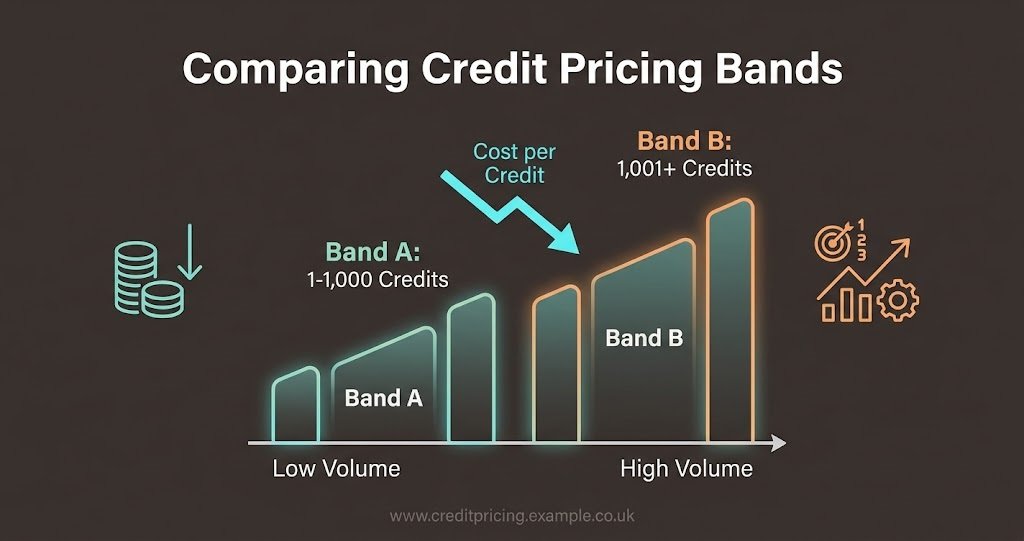
The wholesale price per credit, which normally drops as you buy in larger bands. A reseller on a starter tier might pay noticeably more per credit than one buying in bulk once renewals become predictable.
Whether credits expire. A batch that vanishes after ninety days effectively taxes you for slow months, even though nothing was technically wasted on delivery.
What a credit actually includes. Some panels quietly separate live channels, on-demand libraries or 4K profiles into different tiers, so check whether one credit covers the full catalogue or only a stripped-down version of it.
| Credit Model | What It Means | What to Watch |
|---|---|---|
| Fixed expiry batch | Unused credits are lost after a set date | Buy closer to actual demand, not in advance |
| Non-expiring balance | Credits sit until you spend them | Confirm this in writing, not just in marketing copy |
| Tiered pricing bands | Cost per credit falls at higher volumes | Work out your real monthly usage before committing to a band |
Mistakes Resellers Make With Credit Balances
The most common error isn’t technical, it’s arithmetic. New UK IPTV Panel resellers often price a monthly line without first working out the wholesale cost per credit against their chosen band, then wonder why growth eats the margin instead of expanding it. Running the numbers on paper before setting a retail price avoids most of that.
A second mistake is treating credits as disposable rather than tracked stock. Without a simple log of which customer used which credit and when it’s due for renewal, resellers lose track of expiring lines, miss renewal conversations, and end up refunding confused customers. A spreadsheet with three columns, name, activation date, renewal date, solves this before it becomes a habit-breaking problem.
The third is buying a large credit band purely because the per-unit price looks attractive, without having the customer base to use it inside a reasonable window. If the supplier’s credits expire, that discount turns into a loss.
Reseller and Sub-Reseller Credit Considerations
If you’re running your own book of customers, the calculations above cover you. Things shift slightly once sub-resellers enter the picture.
A master account holder who opens sub-reseller seats is effectively distributing credit risk downward. Each sub-reseller draws from a limit you set, and if their customer base grows faster than expected, you need enough headroom in your own balance to support their top-ups without a delay. Clear documentation on how sub-reseller credits are allocated, and who’s responsible for a customer if a sub-reseller stops responding, prevents disputes later.
Pro tip: Set sub-reseller credit limits slightly below what you’re comfortable losing in a worst-case scenario, then raise them gradually once a track record builds.
A Straightforward Margin Example
These figures are illustrations only, not guaranteed outcomes for any specific business. Forty customers paying £10 a month uses forty credits. On a band priced around £2.20 per credit, that’s roughly £88 in wholesale cost against £400 collected, leaving a working margin before your own payment processing fees. Move to a larger band once renewals are steady, and the same forty credits might cost closer to £68, which is why volume bands exist in the first place.
Credit Management Checklist
- Confirm in writing whether unused credits expire
- Check what content tiers or resolution profiles a single credit unlocks
- Log every activation against a customer name and renewal date
- Keep a small buffer of spare credits for unexpected renewals
- Recalculate your retail price whenever you move to a new credit band
- Set clear sub-reseller limits before opening a seat, not after
IPTV Reseller Panel Credit Questions, Answered
Does one IPTV Reseller Panel Credit always equal one month?
On most dashboards, yes, though some panels let you configure shorter trial periods or longer bundles that draw multiple credits at once. Always check the exact ratio before pricing a plan.
What happens if I run out of credits mid-renewal?
The line typically can’t be renewed until the balance is topped up, which is why keeping a small buffer matters more than chasing the absolute lowest price per credit.
Can unused credits be refunded?
This depends entirely on the supplier’s terms. Ask before buying in bulk, since policies vary widely and aren’t always advertised upfront.
Is it better to buy a small or large credit band?
It depends on how predictable your renewals already are. A small band suits someone still building a customer list; a larger one suits an established reseller who can forecast monthly usage with reasonable accuracy. Cine Panel’s pricing structure breaks this down by volume if you want to compare the two directly.
Do sub-resellers need their own separate credit supply?
No. Sub-resellers typically draw from limits set by the master account, so the credit supply stays centralised even though each sub-reseller manages their own customers.
An IPTV Reseller Panel Credit is a simple unit once you strip away the marketing language around it: one credit, one active line, for whatever period the panel defines. The part worth real attention is the fine print around expiry, tiering and what a single credit actually unlocks, since that’s what decides whether your margin survives a quiet month or gets eaten by wasted stock. Work out your real monthly usage before choosing a band, keep a small buffer for renewals, and treat every credit as tracked stock rather than a number that looks after itself.
[…] on those terms rather than headline credit price is worth doing before you scale, and a credit-based IPTV reseller panel with published volume bands makes the calculation considerably easier than one that quotes on […]